
Blog
Website Design: How to Build an Engaging and Effective Site for Your Business?
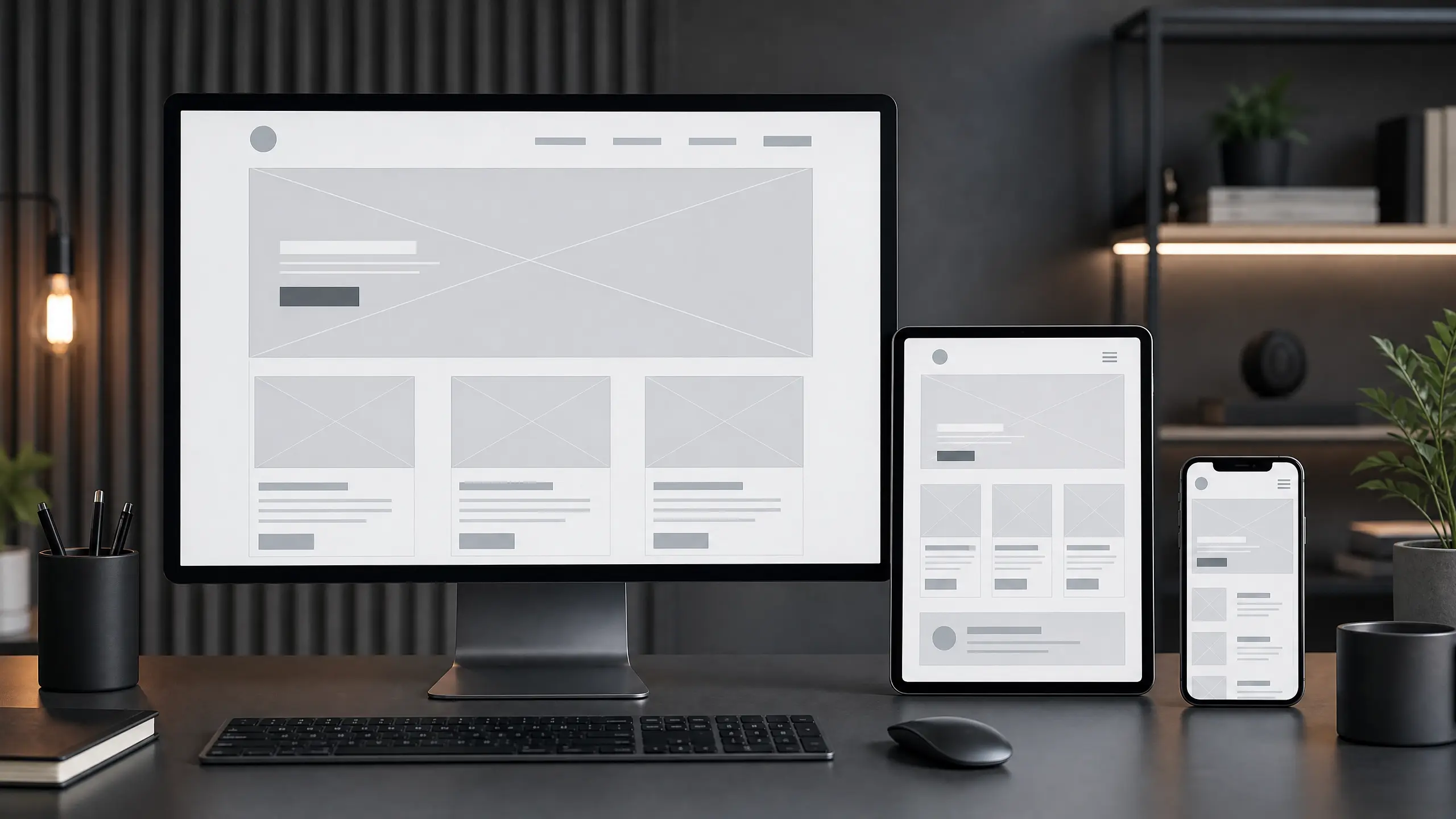
In today’s digital-first world, a website is far more than just an online brochure; it’s a crucial business asset, a powerful marketing tool, and often the first point of contact between your brand and potential customers. A well-designed and developed website can significantly impact your business’s success, driving engagement, generating leads, and boosting sales. This comprehensive guide explores the fundamental principles of effective website design, the critical roles of User Experience (UX) and User Interface (UI), essential elements for a successful site, and the latest trends to keep your business ahead.
The Indispensable Role of a Professional Website
A professional website serves multiple vital functions for any business, regardless of its size or industry.
1. Establishes Credibility and Trust
In an era where consumers research online before making purchasing decisions, a professional, well-maintained website signals credibility and trustworthiness. A poorly designed or outdated site can deter potential customers, making them question your professionalism and reliability.
2. Enhances Brand Visibility and Reach
Your website acts as your 24/7 online presence, accessible to anyone, anywhere, at any time. It extends your brand’s reach beyond geographical limitations, allowing you to connect with a global audience and expand your market.
3. Serves as a Marketing and Sales Hub
An effective website is a central hub for all your marketing efforts. It can host your content marketing assets (blogs, videos, e-books), showcase your products/services, collect leads through forms, and even facilitate direct sales through e-commerce functionalities. It’s a powerful tool for nurturing prospects through the sales funnel.
4. Provides Valuable Insights and Data
Through website analytics, you can gain invaluable insights into your audience’s behavior, preferences, and engagement patterns. This data allows you to refine your marketing strategies, optimize content, and improve the overall user experience, leading to better business outcomes.
5. Improves Customer Service and Support
Websites can host FAQs, knowledge bases, chatbots, and contact forms, providing customers with instant access to information and support. This not only enhances customer satisfaction but also reduces the burden on your customer service team.
Understanding User Experience (UX) and User Interface (UI)
User Experience (UX) and User Interface (UI) are two critical components of website design that, while distinct, are deeply intertwined and equally vital for a successful online presence.
User Experience (UX)
UX design focuses on the overall experience a user has when interacting with your website. It’s about making the website easy, efficient, and enjoyable to use. Key aspects of good UX include:
•Usability: Is the website easy to navigate? Can users find what they’re looking for quickly?
•Accessibility: Is the website usable by people with disabilities?
•Findability: Is the content easy to locate through search and navigation?
•Desirability: Is the website aesthetically pleasing and emotionally engaging?
•Value: Does the website provide genuine value to the user?
User Interface (UI)
UI design, on the other hand, focuses on the visual and interactive elements of the website. It’s about how the website looks and how users interact with it. This includes:
•Visual Design: Layout, color schemes, typography, imagery.
•Interactive Elements: Buttons, forms, menus, and other interactive components.
•Responsiveness: How the website adapts to different screen sizes (desktops, tablets, mobile phones).
The synergy between UX and UI is paramount: A beautiful UI without good UX will frustrate users, while excellent UX with a poor UI might go unnoticed. Both must work in harmony to create an effective and engaging website.
Essential Elements of a Successful Website
To build a website that truly serves your business objectives, consider these essential elements:
1. Clear and Intuitive Navigation
Users should be able to understand your website’s structure and find information effortlessly. Implement clear menus, logical categorization, and a search function.
2. Responsive Design
With a significant portion of internet traffic coming from mobile devices, a responsive design is non-negotiable. Your website must adapt seamlessly to various screen sizes and devices, providing an optimal viewing and interaction experience for all users.
3. High-Quality Content
As discussed in content marketing, compelling, relevant, and well-written content is crucial. It informs, engages, and persuades your audience, while also being optimized for search engines.
4. Fast Loading Speed
Website loading speed is a critical factor for both user experience and SEO. Slow-loading websites lead to high bounce rates and negatively impact search rankings. Optimize images, leverage browser caching, and use efficient hosting.
5. Strong Calls-to-Action (CTAs)
Guide your visitors towards desired actions (e.g.,
sign up, buy now, contact us) with clear, concise, and prominent CTAs.
6. Security (SSL Certificate)
An SSL certificate is essential for website security, encrypting data exchanged between the user and the server. It builds trust with visitors and is also a ranking factor for search engines.
7. SEO-Friendly Structure
Beyond content, the technical structure of your website plays a vital role in SEO. This includes clean code, proper use of header tags (H1, H2, etc.), meta descriptions, and schema markup.
Latest Web Design Trends in 2026
Staying updated with the latest trends ensures your website remains fresh, engaging, and competitive.
•AI-Powered Personalization: Leveraging AI to deliver personalized content and experiences to individual users.
•Voice User Interface (VUI): Optimizing websites for voice search and interaction.
•Micro-interactions: Subtle animations and visual feedback that enhance user engagement and delight.
•Dark Mode Options: Offering users the choice to switch to a dark theme for improved readability and reduced eye strain.
•Immersive 3D Elements and Virtual Reality (VR): Creating more interactive and engaging experiences, especially for e-commerce and entertainment.
•Sustainable Web Design: Focusing on energy-efficient design practices to reduce the environmental impact of websites.
Conclusion
An engaging and effective website is a powerful asset that can drive significant growth for your business. By prioritizing user experience and interface, incorporating essential design elements, and staying abreast of the latest trends, you can create a digital storefront that not only attracts visitors but converts them into loyal customers. Invest in a professional website, and watch your business thrive in the digital age.
More Articles
Website Design: How to Build an Engaging and Effective Site for Your Business?